Karnak Temple: What to See on Your Cruise Stop
Karnak Temple is a must-see highlight for any Nile cruise traveler stopping in Luxor. The complex is vast, filled with ancient wonders like the Great Hypostyle Hall, sacred lakes, and colossal statues. Allow at least two hours to explore its main sights, and arrive early to avoid crowds and midday heat.
Key Takeaways
- Karnak Temple is open daily from 06:00 AM to 05:00 PM, with slightly shorter hours during the summer season.
- General admission for foreign adults is EGP 600, and student tickets are available with valid ID and age under 24.
- Photography with a mobile phone is free of charge throughout the complex.
- Arrive at least one hour before closing, as recommended by the Ministry of Tourism and Antiquities.
- Free entry is granted to children under 6, Egyptian seniors 60+, Egyptians with special needs, and orphaned children.
Why Karnak Temple Is a Nile Cruise Essential
Karnak Temple stands as the largest religious structure ever built, making it an unmissable stop for Nile cruise passengers. The complex, located on the east bank of the Nile in Luxor, was constructed over 2,000 years by generations of pharaohs, each adding their own unique touches. Its sheer scale and architectural diversity offer a breathtaking glimpse into ancient Egypt's spiritual and political power.
Many Nile cruises, such as the MS Salacia Nile Cruise, include Karnak Temple in their itineraries, allowing travelers to step directly from their vessel into the heart of Egypt's golden age. The proximity to Luxor's river port means minimal travel time, maximizing your visit to this archaeological masterpiece.
Understanding the Layout: What to Expect
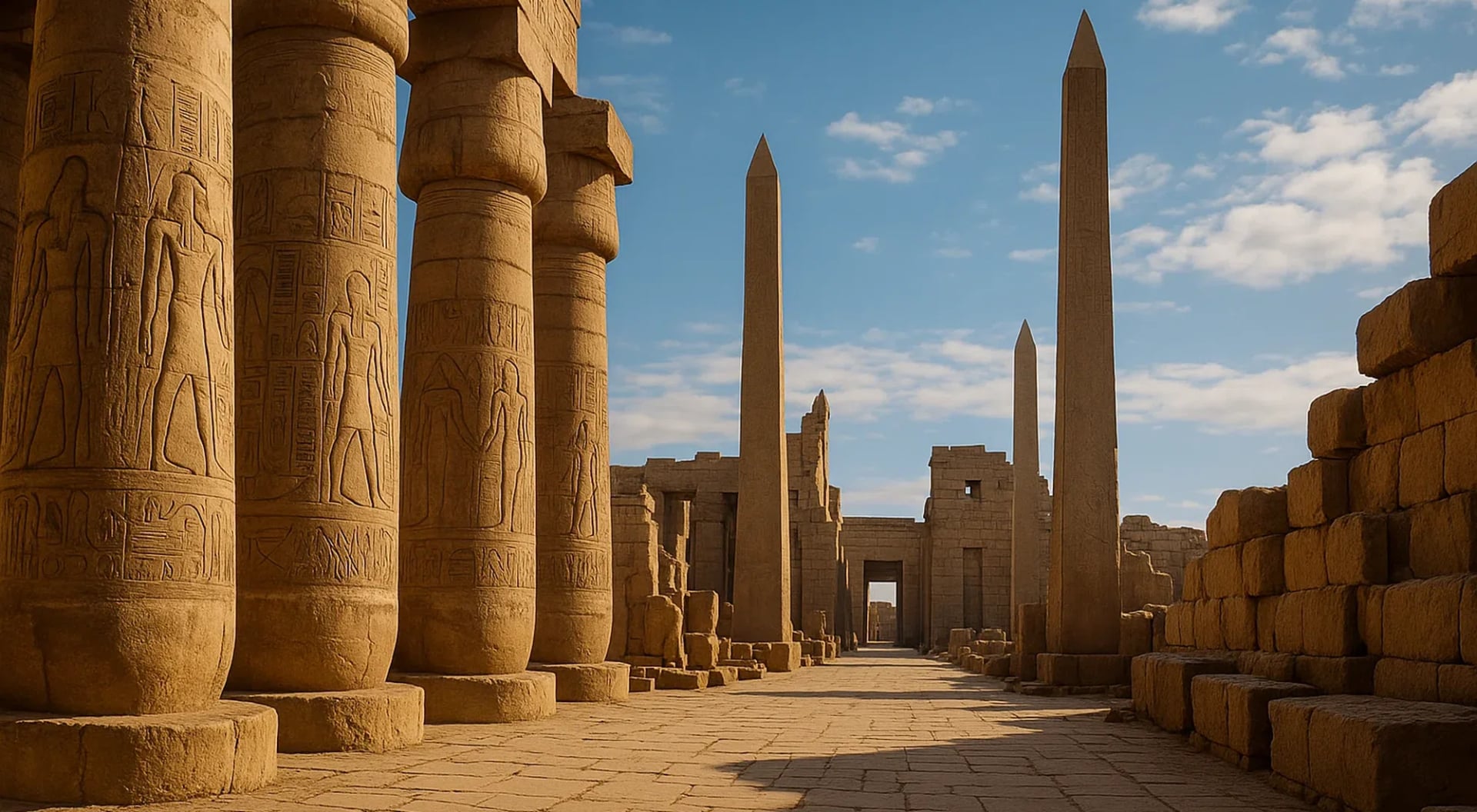
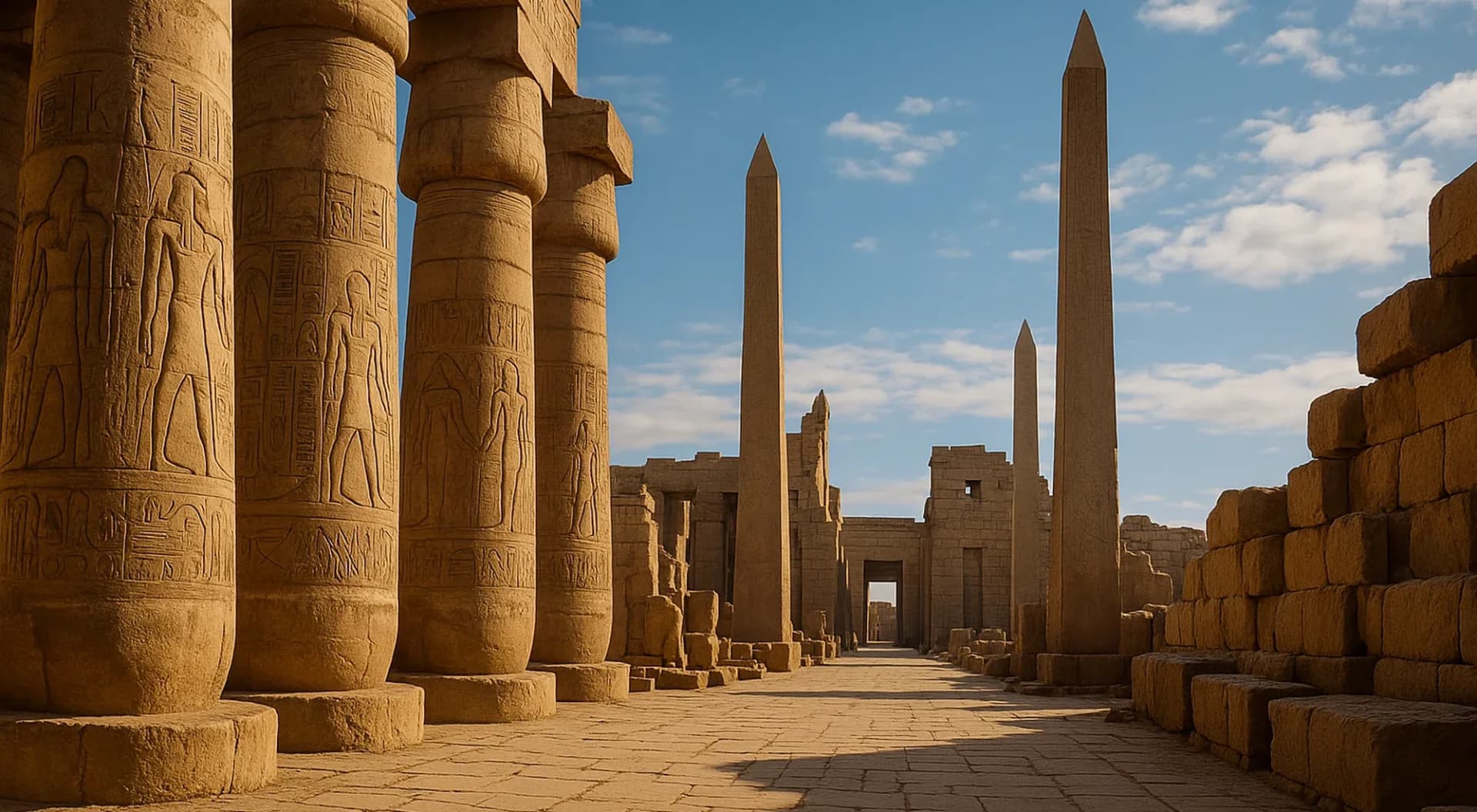
Karnak Temple is not a single structure but a sprawling complex of sanctuaries, pylons, halls, and obelisks dedicated primarily to the Theban triad of Amun, Mut, and Khonsu. The main entrance leads you through the Avenue of Sphinxes, followed by a succession of monumental gateways and courtyards. The Great Hypostyle Hall, with its 134 towering columns, is the centerpiece and a photographer's dream.
To make the most of your time, consider following a suggested route that covers the main highlights, including the Sacred Lake, the Festival Hall of Thutmose III, and the Open Air Museum. Detailed site maps are available at the entrance, and hiring a licensed guide can enrich your understanding of the temple's layered history.
Highlights Not to Miss at Karnak
Among Karnak's many wonders, several features stand out. The Great Hypostyle Hall is often the first stop, where sunlight streams through the forest of papyrus-shaped columns. The Obelisk of Hatshepsut, one of the tallest surviving ancient obelisks, still inspires awe. Don't miss the Sacred Lake, once used for ritual purification, and the Precinct of Mut, a quieter area featuring statues and smaller chapels.
For those interested in Egyptology, the Karnak Temple attraction page offers additional insights into the site's history and architectural evolution. Plan your route to include these key highlights, especially if your cruise stop is limited in time.
Entry Fees, Tickets, and Practical Information
Karnak Temple's ticketing system is straightforward. For foreign visitors, general admission is EGP 600 for adults and EGP 300 for students, provided the student is under 24 and presents a valid ID. Egyptian nationals pay EGP 40 (adults) and EGP 20 (students). Tickets also grant access to the Open Air Museum. Entry to the Mut Temple within Karnak requires a separate ticket: EGP 200 for foreign adults, EGP 100 for foreign students, EGP 10 for Egyptian adults, and EGP 5 for Egyptian students.
Free entry is available for children under 6, Egyptian seniors 60+, Egyptians with special needs, and orphaned children. All ticket prices are in Egyptian Pounds. Official fees and opening hours are periodically revised, so check the Ministry of Tourism and Antiquities' official channels before your visit. Mobile phone photography is free of charge, but commercial filming requires prior permission.
Best Times to Visit and How to Beat the Crowds
Karnak Temple opens daily at 06:00 AM and closes at 05:00 PM, with summer season hours shifting to a last entry at 04:00 PM. Arriving early in the morning is highly recommended, both to avoid the heat and to experience the temple before tour groups arrive. The midday sun can be intense, and shaded areas are limited, so bring water, sun protection, and comfortable footwear.
During Ramadan, opening hours are reduced and published per site on the Ministry's ticketing portal. Always plan to arrive at least one hour before closing, as recommended by the Ministry, to ensure you have enough time to explore the main highlights without feeling rushed.
Combining Karnak with Other Luxor Sights
Many cruise itineraries include not only Karnak but also Luxor Temple, the Valley of the Kings, and Hatshepsut Temple. Each site offers a unique perspective on ancient Egyptian civilization. If you want to understand the differences and connections between Karnak and Luxor Temple, resources like this comparison of Karnak and Luxor Temple can help you decide how to allocate your time.
Luxor Temple is located closer to the Nile and is often visited in the evening, while Karnak is best explored in the morning. Consider your cruise schedule and consult your guide or ship concierge for the optimal sequence of visits.
Tips for a Smooth Visit: What to Bring and Expect
Dress comfortably and modestly, as Karnak is a place of historical and spiritual significance. Light, breathable clothing, a wide-brimmed hat, and sturdy shoes are recommended. Bring bottled water, especially during the hotter months, and carry Egyptian Pounds for ticket purchases and small expenses. While card payment machines are available at some major sites like Giza, this is not guaranteed at every monument, so cash is advisable.
Photography with your mobile phone is free, but if you plan to use professional equipment, be sure to secure the necessary permits in advance. Restrooms and basic facilities are available near the entrance, but options inside the complex are limited. For further planning, the Plan Your Trip section is a valuable resource for first-time visitors to Egypt.
How Karnak Fits Into Your Nile Cruise Experience
Karnak Temple is a cornerstone of most Nile cruise itineraries, especially those sailing between Luxor and Aswan. The temple's proximity to the river port allows for easy access, often as the first or last stop in Luxor. Cruise guests benefit from guided tours that highlight the site's most significant features and provide context for its historical importance.
For travelers considering their first cruise, exploring the range of Nile Cruises can help you choose an itinerary that includes Karnak and other major temples. Each cruise offers a different blend of sightseeing, onboard amenities, and schedules, so review your options to find the best fit for your interests and travel style.
Sample Itinerary: Visiting Karnak and Beyond
A typical cruise stop in Luxor might begin with an early morning visit to Karnak, followed by a tour of Luxor Temple and a transfer to the West Bank for the Valley of the Kings and Hatshepsut Temple. Some tours offer lunch on board the ship or at a local restaurant before continuing with afternoon excursions. Packages like the 8 Days Egypt Highlights Tour with Nile Cruise often include these key sites, ensuring a comprehensive experience of ancient Thebes.
Be sure to check your cruise's specific schedule, as the order and duration of visits may vary depending on sailing direction and local conditions. Guides are usually included, offering historical background and practical tips for navigating the temples and tombs.
Frequently Asked Questions
-
What are the official opening hours for Karnak Temple?
Karnak Temple is open daily from 06:00 AM to 05:00 PM. During the summer season, opening is at 06:00 AM with last entry at 04:00 PM. Always check for updated hours before your visit, as they may change during Ramadan or for special events. -
How much is the entrance fee to Karnak Temple?
For foreign adults, general admission is EGP 600. Students under 24 with a valid ID pay EGP 300. Egyptian adults pay EGP 40, and Egyptian students pay EGP 20. All prices are in Egyptian Pounds. -
Is photography allowed inside Karnak Temple?
Photography with a mobile phone is free of charge throughout Karnak Temple. Commercial, TV, or cinema filming requires prior permission from the authorities. -
Are there any free entry exemptions at Karnak Temple?
Yes, free entry is granted to children under 6, Egyptian seniors aged 60 and above, Egyptians with special needs, and orphaned children. -
How much time should I allow for visiting Karnak Temple?
Most visitors spend between 1.5 to 2.5 hours exploring the main highlights of Karnak Temple. Arriving early helps you avoid crowds and heat, making your visit more comfortable and enjoyable. -
Can I buy tickets with a credit card at Karnak Temple?
While some major sites like Giza have self-service machines that accept bank cards, card acceptance is not guaranteed at every monument. It is best to carry cash in Egyptian Pounds for ticket purchases at Karnak Temple.