How Big Are Nile Cruise Ships and Why It Matters
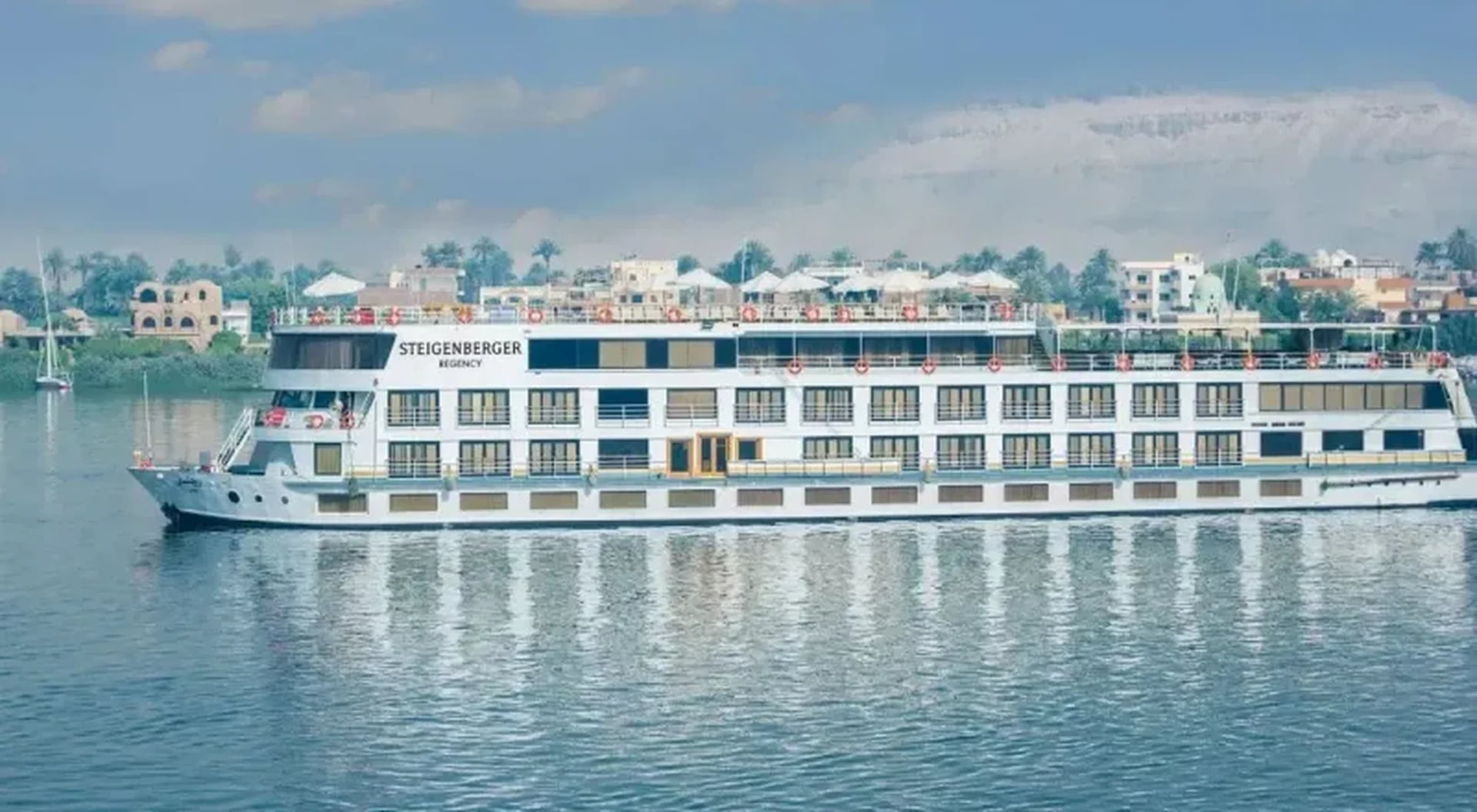
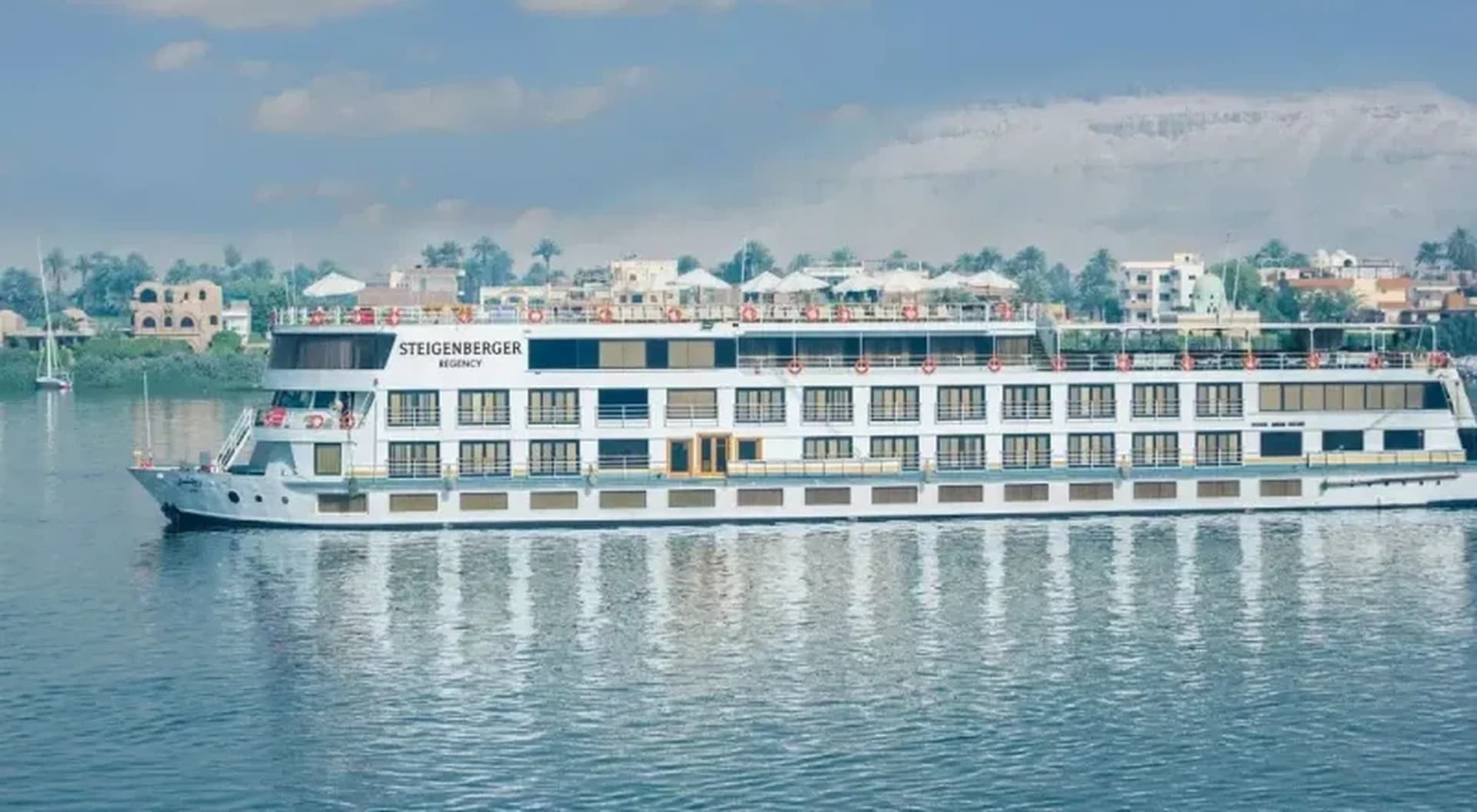
Nile cruise ships typically range from 60 to 77 meters long and 12 to 14 meters wide, accommodating 50 to 150 guests. Their size is dictated by the Nile’s locks and bridges, ensuring safe passage between Luxor and Aswan. The ship’s dimensions directly affect comfort, onboard amenities, and the overall cruise experience for travelers.
Key Takeaways
- Nile cruise ships are limited in size by the river’s locks and bridges, usually accommodating 50–150 passengers.
- The cruise fleet operates between Luxor and Aswan in Upper Egypt.
- Ship size impacts onboard facilities, cabin space, and the range of amenities available.
- Smaller ships offer a more intimate experience, while larger vessels provide more amenities and entertainment.
- Official fees and schedules for temple visits can change, so always check before traveling.
The Typical Size of Nile Cruise Ships
Nile cruise ships are purpose-built to navigate the Nile’s unique conditions, including its shallow depth, narrow width, and the need to pass under bridges and through locks. Most vessels are between 60 and 77 meters long and 12 to 14 meters wide. The height is also restricted, with ships rarely exceeding four decks above the waterline. These dimensions allow for smooth sailing between Luxor and Aswan, the main route for Nile cruises in Upper Egypt. The limited size means that even the largest ships rarely exceed 150 passengers, making for a more personal experience compared to ocean liners.
Why Ship Size Matters for Your Experience
The size of a Nile cruise ship has a significant impact on the journey. Larger ships offer more amenities, such as pools, spas, gyms, and multiple dining venues, while smaller vessels provide a quieter, more intimate atmosphere. Space constraints affect cabin size, public areas, and the ability to host entertainment or themed events. For travelers seeking a lively, social cruise, a larger vessel may be ideal. Those preferring tranquility and personalized service might opt for a smaller ship. The ship’s dimensions also influence the number of staff on board, which can affect service quality and guest-to-crew ratios.
Comparing Nile Cruise Ship Classes
Nile cruise ships are typically divided into three main classes: standard, deluxe, and luxury. Standard ships focus on essential comforts, with smaller cabins and basic amenities. Deluxe vessels offer larger cabins, more varied dining, and enhanced décor. Luxury ships, often the largest in the fleet, feature spacious suites, gourmet restaurants, spas, and even small libraries or boutique shops. The class you choose will dictate the size of your cabin, the level of service, and the range of activities on board. For a closer look at luxury options, the Sonesta Moon Goddess Nile Cruise is a prime example of a luxury vessel operating on the Nile.
| Ship Class | Typical Length | Passenger Capacity | Key Features |
|---|---|---|---|
| Standard | 60–65 m | 50–80 | Basic cabins, restaurant, lounge |
| Deluxe | 65–72 m | 80–120 | Spacious cabins, pool, multiple bars |
| Luxury | 70–77 m | 100–150 | Suites, spa, gym, gourmet dining |
How Ship Size Shapes Your Cabin and Comfort
Cabin size and comfort are directly related to the ship’s dimensions. On smaller ships, cabins may be compact but cozy, with clever storage and efficient layouts. Larger ships can offer suites with private balconies, sitting areas, and even bathtubs. The ship’s width determines whether cabins have Nile views on both sides or only one, and how many cabins can fit per deck. The number of decks impacts elevator access and the amount of walking required. If you value space and privacy, consider a ship known for its spacious cabins, such as the Mayfair Nile Cruise, which is designed with guest comfort in mind.
Onboard Facilities: What to Expect by Ship Size
The range of facilities available on a Nile cruise ship is largely determined by its size. Larger vessels can feature amenities such as swimming pools, sun decks with loungers, fitness centers, spas, and multiple restaurants or bars. Some luxury ships even include small cinemas or lecture rooms for cultural presentations. In contrast, smaller ships may have a single dining room, a lounge, and a compact sun deck. The limited space often creates a more communal atmosphere, encouraging interaction among guests. If you’re interested in seeing what a well-equipped short cruise offers, the Esmeralda Nile Cruise is a good example of a modern vessel with a balanced range of facilities.
Itinerary Flexibility and Ship Size
Smaller ships can sometimes access less crowded or shallower docks, offering unique stops or excursions that larger vessels cannot. Conversely, larger ships may be restricted to the main docking points in Luxor, Edfu, Kom Ombo, and Aswan. This can impact the variety and exclusivity of your shore excursions. The number of nights you choose for your cruise also plays a role; shorter cruises may use smaller ships, while longer itineraries often require larger vessels for added comfort. To help decide the best duration for your journey, you can read more about how many nights on a Nile cruise is enough for your travel style.
Passenger Numbers and Social Atmosphere
The number of guests on board shapes the social dynamic of your cruise. Ships carrying 50 to 80 guests offer a more intimate setting, where you’re likely to get to know other travelers and the crew. Larger ships, with up to 150 passengers, provide more anonymity and a wider choice of activities, but may feel busier during peak times. The guest-to-crew ratio is important for service quality; smaller ships often boast higher ratios, resulting in more attentive service. If you prefer a more exclusive atmosphere, consider booking with cruise lines known for smaller vessels or exploring short Nile cruises that use boutique ships.
Safety, Navigation, and Environmental Impact
Ship size is not just about comfort; it also affects safety and environmental considerations. Vessels must comply with strict regulations to ensure safe navigation under bridges and through locks. The relatively small size of Nile cruise ships, compared to ocean liners, means they have a lighter environmental footprint, which is increasingly important for responsible travel. Additionally, smaller ships can maneuver more easily, reducing the risk of accidents and allowing for smoother docking at busy sites like Luxor and Aswan. Always choose a cruise operator with a strong safety record and a commitment to sustainable practices.
Cost Implications of Ship Size
The size and class of a ship directly affect the price of your cruise. Luxury vessels with spacious cabins and extensive amenities command higher fares, while smaller or standard-class ships are more budget-friendly. However, the cost also reflects the level of service, onboard experience, and exclusivity. For a deeper understanding of pricing, including what’s included and what’s not, consult this guide on how much a Nile cruise costs. Remember that hidden costs—such as tips, drinks, or optional excursions—can add up, regardless of ship size.
Planning Your Nile Cruise: Matching Ship Size to Your Needs
Choosing the right ship size is a personal decision, influenced by your travel style, budget, and expectations. If you value onboard entertainment, a wide choice of dining, and spacious public areas, a larger vessel is likely your best fit. If you seek a quieter, more immersive cultural experience with fewer guests, opt for a smaller ship. For travelers who want to combine a Nile cruise with other highlights, such as the pyramids or Cairo’s museums, packages like Pyramids and Nile Cruise Holidays can help you make the most of your time in Egypt.
Frequently Asked Questions
-
How big are Nile cruise ships compared to ocean liners?
Nile cruise ships are much smaller than ocean liners, typically 60 to 77 meters long and 12 to 14 meters wide, with capacities of 50 to 150 guests. Ocean liners can accommodate thousands and are several times larger in both length and width.
-
Does ship size affect the comfort of a Nile cruise?
Yes, ship size impacts cabin space, onboard amenities, and the overall atmosphere. Larger ships offer more facilities and entertainment, while smaller ships provide a quieter, more intimate experience.
-
Are there restrictions on ship size for Nile cruises?
Yes, the size of Nile cruise ships is limited by the river’s width, depth, and the height of bridges and locks, ensuring safe passage between Luxor and Aswan.
-
Do smaller ships offer a better experience?
Smaller ships can offer a more personalized and intimate experience, but may have fewer amenities. The best choice depends on your preferences for comfort, social atmosphere, and onboard activities.
-
How does the number of passengers affect the cruise?
The number of passengers shapes the social dynamic and service level. Fewer guests often mean more attentive service and a quieter atmosphere, while larger ships provide more activities and dining options.
-
Can ship size impact the itinerary?
Yes, smaller ships may access less crowded docks or unique stops, while larger vessels are sometimes limited to main ports. This can influence the variety and exclusivity of shore excursions.