Dahabiya vs Cruise Ship: Honest Comparison
Dahabiyas and Nile cruise ships both travel the legendary river between Luxor and Aswan, but they offer fundamentally different experiences. Dahabiyas provide an intimate, quiet journey with fewer passengers and more personalized service, while larger cruise ships offer greater amenities, entertainment, and a social atmosphere. Your ideal choice depends on your travel style, priorities, and expectations.
Key Takeaways
- Dahabiyas carry fewer passengers, often under 20, ensuring a more private and tranquil Nile experience.
- Modern Nile cruise ships offer amenities such as pools, spas, and nightly entertainment, which are not found on traditional dahabiyas.
- Both dahabiyas and cruise ships operate between Luxor and Aswan, stopping at iconic temples like Karnak, Kom Ombo, and Edfu.
- Dahabiyas can access smaller, less-visited Nile villages and islands, providing unique cultural encounters.
- Ticket prices for monuments along the Nile, such as Edfu and Kom Ombo, are published in Egyptian Pounds and may change; always check official sources before traveling.
| Feature | Dahabiya | Cruise Ship |
|---|---|---|
| Passenger Capacity | 6–20 | 50–200+ |
| Atmosphere | Quiet, relaxed, personal | Social, lively, resort-like |
| Route | Luxor–Aswan (flexible stops) | Luxor–Aswan (set itinerary) |
| Access to Small Sites | Yes | Limited |
| Onboard Amenities | Basic luxury, no pool/spa | Pools, spas, gyms, bars |
| Entertainment | Low-key, local culture | Shows, music, dance |
| Price Range | Higher per person | Wider range, more budget options |
What Is a Dahabiya? The Classic Nile Experience
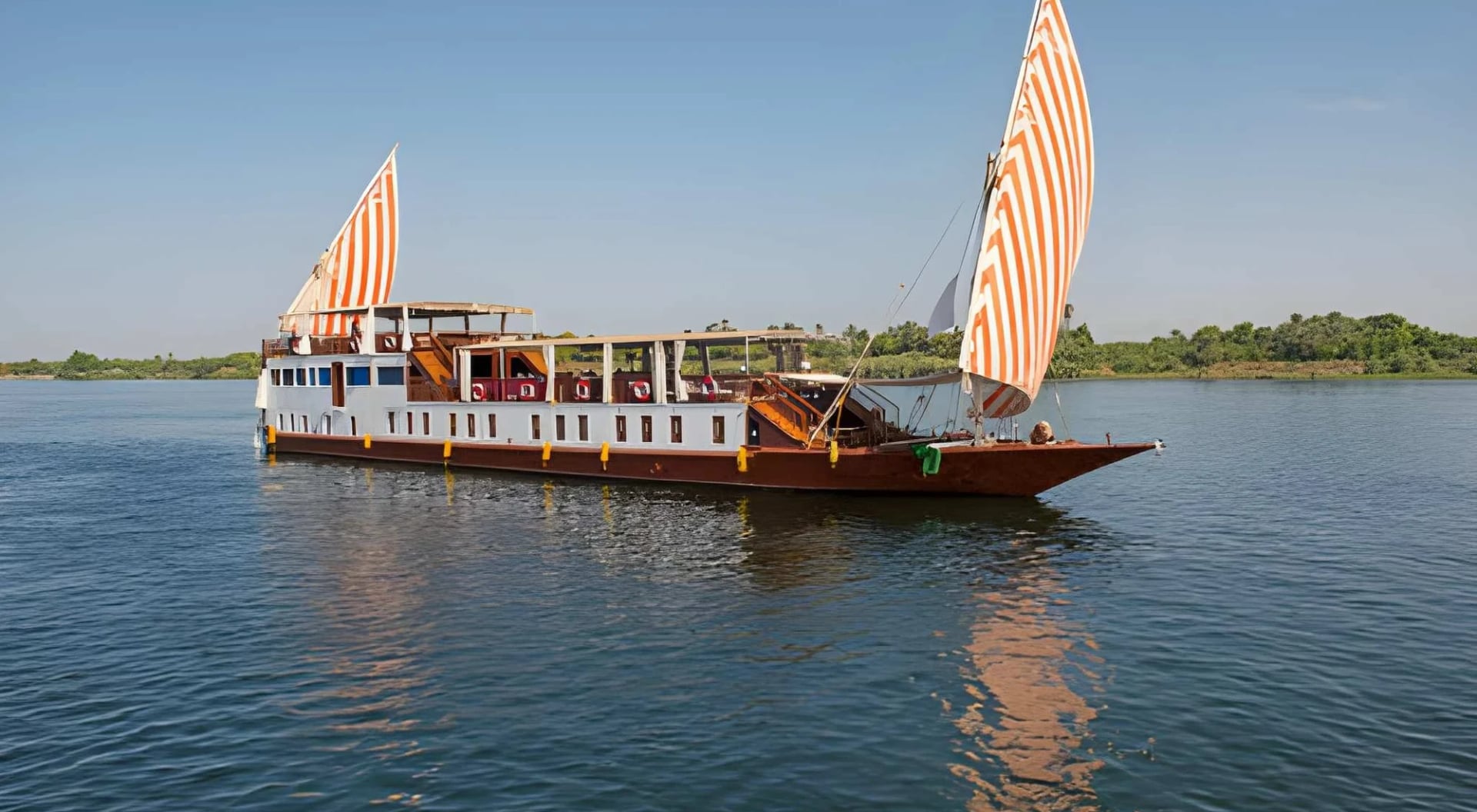
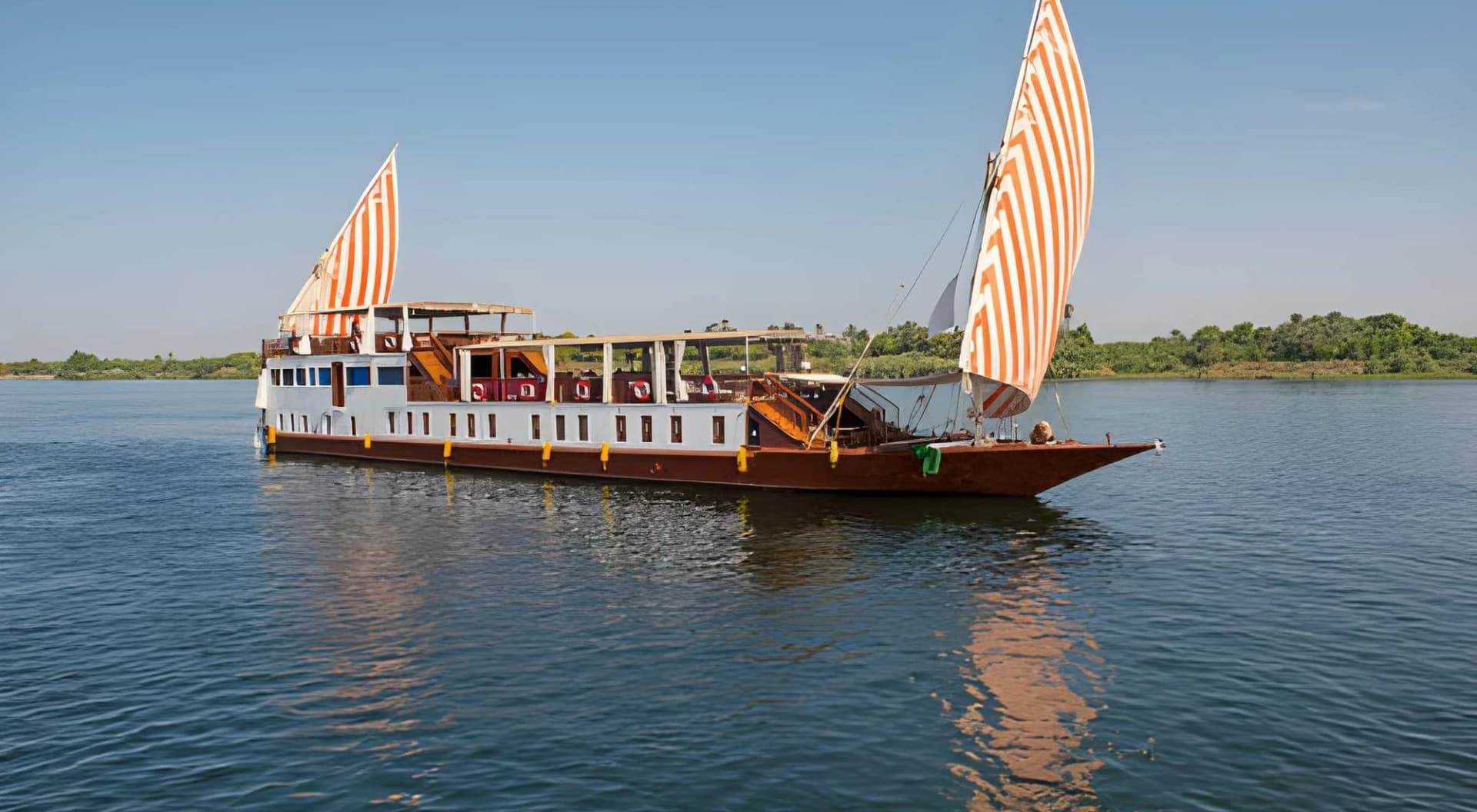
A dahabiya is a traditional Egyptian sailing vessel, historically used by aristocrats and explorers in the 19th and early 20th centuries. Modern dahabiyas are designed for comfort, often featuring elegant woodwork, shaded decks, and spacious cabins, but maintain an intimate scale. With passenger numbers usually between 6 and 20, dahabiyas are ideal for those seeking tranquility, privacy, and a deeper connection to the Nile’s timeless scenery.
For travelers intrigued by this style, the Dahabiya Cruises category showcases itineraries and vessels that evoke the golden age of Nile travel.
If you are looking for an exceptional experience, the Luxury Dahabiya Nile Cruise option highlights some of the finest boats and services available on the river today.
What Is a Nile Cruise Ship? Comfort and Convenience
Nile cruise ships are modern riverboats accommodating anywhere from 50 to over 200 guests. These ships are equipped with hotel-style amenities: air-conditioned cabins, swimming pools, gyms, spas, and multiple dining venues. Entertainment is a major feature, with themed nights, galabeya parties, and live music. The atmosphere is lively and social, catering to families, groups, and travelers who enjoy mingling and organized activities.
For those interested in the full range of options, the Nile Cruises collection provides a comprehensive look at available ships and itineraries, from value to luxury.
Families may find cruise ships particularly suitable, and the article Is a Nile Cruise Good for Families With Kids discusses the pros and cons for younger travelers and their parents.
Cabins, Comfort, and Onboard Life: Comparing Accommodations
Cabins on dahabiyas are spacious and elegantly furnished, often with large windows or French balconies to maximize river views. The focus is on quiet luxury and personalized service, with a crew-to-guest ratio that allows for attentive care. Meals are typically served family-style, using fresh local ingredients, and tailored to guests’ preferences.
On cruise ships, cabin categories range from standard rooms to lavish suites with private terraces. Larger ships offer extensive facilities: pools, spas, fitness centers, and several bars and lounges. Meals are buffet or à la carte, with a wide variety of international and Egyptian dishes. Nightly entertainment, including music and dance, is a staple.
For travelers who prioritize connectivity, the article Is Wi Fi Available on Nile Cruise Ships explains the realities of internet access on the river, which can vary depending on the vessel and route.
Those seeking the best in dahabiya comfort should explore the Best Dahabiya Nile Cruise selections, which focus on top-rated boats and guest satisfaction.
Itineraries and Destinations: Where Will You Go?
Both dahabiyas and cruise ships operate primarily between Luxor and Aswan, stopping at iconic sites such as Karnak Temple, Luxor Temple, Edfu, Kom Ombo, and Philae. However, dahabiyas, with their smaller size and shallow draft, can access smaller islands and off-the-beaten-path villages, offering exclusive visits and authentic cultural encounters. These stops might include local markets, Nubian villages, or private island picnics.
Cruise ships follow set itineraries, ensuring efficient visits to major attractions. For travelers interested in a deeper dive into the differences between these options, the article Whats the Difference Between a Nile Cruise and a Dahabiya provides an in-depth comparison.
For a unique day trip experience, consider the Nubian Village Tour in Aswan, which can be included as part of a dahabiya or cruise ship itinerary.
Excursions and Monument Visits: Practical Information
Visits to ancient sites are a highlight of any Nile journey. Major temples such as Karnak, Luxor, Edfu, Kom Ombo, and Philae have published ticket prices in Egyptian Pounds. For example, general admission for foreign adults at Edfu Temple is EGP 550, at Kom Ombo EGP 450, and at Karnak EGP 600. Student discounts are available with valid ID and age not exceeding 24. Mobile phone photography is free of charge at Ministry sites, but commercial filming requires prior permission. Card payment is available for tickets at Giza, though not guaranteed at all sites. Always check the official ticketing portal for the latest hours and prices, as these are revised periodically.
For a comprehensive exploration of Egypt’s ancient wonders, the Pyramids and Nile Cruise Holidays package combines the best of Cairo and the Nile Valley.
Travelers planning a luxury adventure can consider the 10-Day Egypt Luxury Journey with Dahabiya Nile Cruise, which includes guided monument visits and premium accommodations.
Atmosphere and Guest Experience: Tranquility or Liveliness?
The atmosphere on a dahabiya is serene and unhurried. With so few guests, you’ll get to know your fellow travelers and crew, enjoy quiet evenings on deck, and appreciate the gentle pace of river life. This is the ideal choice for couples, small groups, and anyone seeking a retreat from crowds and noise.
Cruise ships, by contrast, offer a bustling, resort-like environment. Social gatherings, themed dinners, and nightly entertainment make them perfect for those who enjoy meeting new people and staying active. Older travelers may appreciate the accessibility features and medical support available on larger ships. For more on travel considerations for seniors, see What Should Older Travelers Know Before a Nile Cruise.
For those who want to combine river cruising with other experiences, the article Can You Combine a Nile Cruise With a Red Sea Beach Stay explores options for pairing your cruise with a relaxing getaway on Egypt’s coast.
Dining and Cultural Encounters
Dining on a dahabiya is a highlight, with meals prepared fresh daily and often served al fresco. The small guest list allows chefs to cater to dietary preferences and create a more personalized menu. Cultural encounters are more immersive, with opportunities to visit local markets, meet artisans, and participate in traditional activities along the riverbanks.
Cruise ships offer a broader range of dining options, from buffets to specialty restaurants. While the food is plentiful and varied, it may feel less intimate. Entertainment is geared toward larger groups, with performances such as belly dancing and traditional music. For a memorable evening in Cairo, the Dinner Cruise Maxim provides a taste of Nile dining and entertainment without the need for an overnight journey.
To experience the best of a classic dahabiya, the Meroe Dahabiya Nile Cruise is renowned for its service, cuisine, and unique stops along the river.
Who Should Choose a Dahabiya?
Dahabiyas are best for travelers who value privacy, tranquility, and a deep connection to the Nile’s landscapes and people. They are especially appealing to couples, photographers, history enthusiasts, and those seeking a slower pace. With fewer passengers, excursions are more flexible, and you can linger at sites or villages that interest you most. If you appreciate boutique hotels and personalized service, a dahabiya will feel like a floating sanctuary.
For those interested in exploring Egypt’s ancient wonders beyond the river, a visit to Giza can be seamlessly added to your itinerary, allowing you to experience the pyramids before or after your cruise adventure.
Who Should Choose a Cruise Ship?
Cruise ships are ideal for travelers who want maximum comfort, amenities, and a social atmosphere. Families, groups, and solo travelers who enjoy meeting others and having a wide range of activities will appreciate the lively environment. Cruise ships are also more accessible for those with mobility concerns and offer more predictable schedules and set excursions. If you want a hotel-like experience on the water, with nightly entertainment and plenty of options, a cruise ship is the way to go.
Travelers who wish to compare the full range of Nile cruise options, including both dahabiyas and larger vessels, can start with the Dahabiya Cruises and Nile Cruises categories.
Frequently Asked Questions
What is the main difference between a dahabiya and a Nile cruise ship?
The main difference is scale and atmosphere: dahabiyas are small, traditional sailboats carrying 6–20 guests for a quiet and intimate journey, while cruise ships are modern vessels with 50–200+ passengers, offering hotel-style amenities and a lively, social environment.
Which type of cruise is better for visiting less-touristed sites along the Nile?
Dahabiyas are better for visiting smaller, less-touristed sites and villages, as their size allows them to dock at places inaccessible to larger cruise ships, enabling more authentic cultural encounters and flexible stops.
Are tickets to Nile monuments included in cruise packages?
Many cruise packages include entrance fees to major monuments, but always confirm with your tour provider. If buying tickets separately, prices are published in Egyptian Pounds and discounts are available for students under 24 with valid ID, per the Ministry of Tourism and Antiquities.
Is card payment accepted for monument tickets along the Nile?
Card payment is available for site tickets at Giza via self-service machines, per the Ministry of Tourism and Antiquities, but card acceptance is not guaranteed at all monuments. Bring cash in Egyptian Pounds for ticket purchases elsewhere.
Can I combine a Nile cruise with other Egypt destinations?
Yes, many travelers combine a Nile cruise with a visit to Cairo’s pyramids or a Red Sea beach stay. Packages such as Pyramids and Nile Cruise Holidays offer a seamless experience covering multiple highlights.
Is mobile phone photography allowed at temples and monuments?
Photography with a mobile phone is free of charge at Ministry of Tourism and Antiquities sites. Commercial, TV, or cinema filming requires prior permission. Always check site-specific rules before visiting.