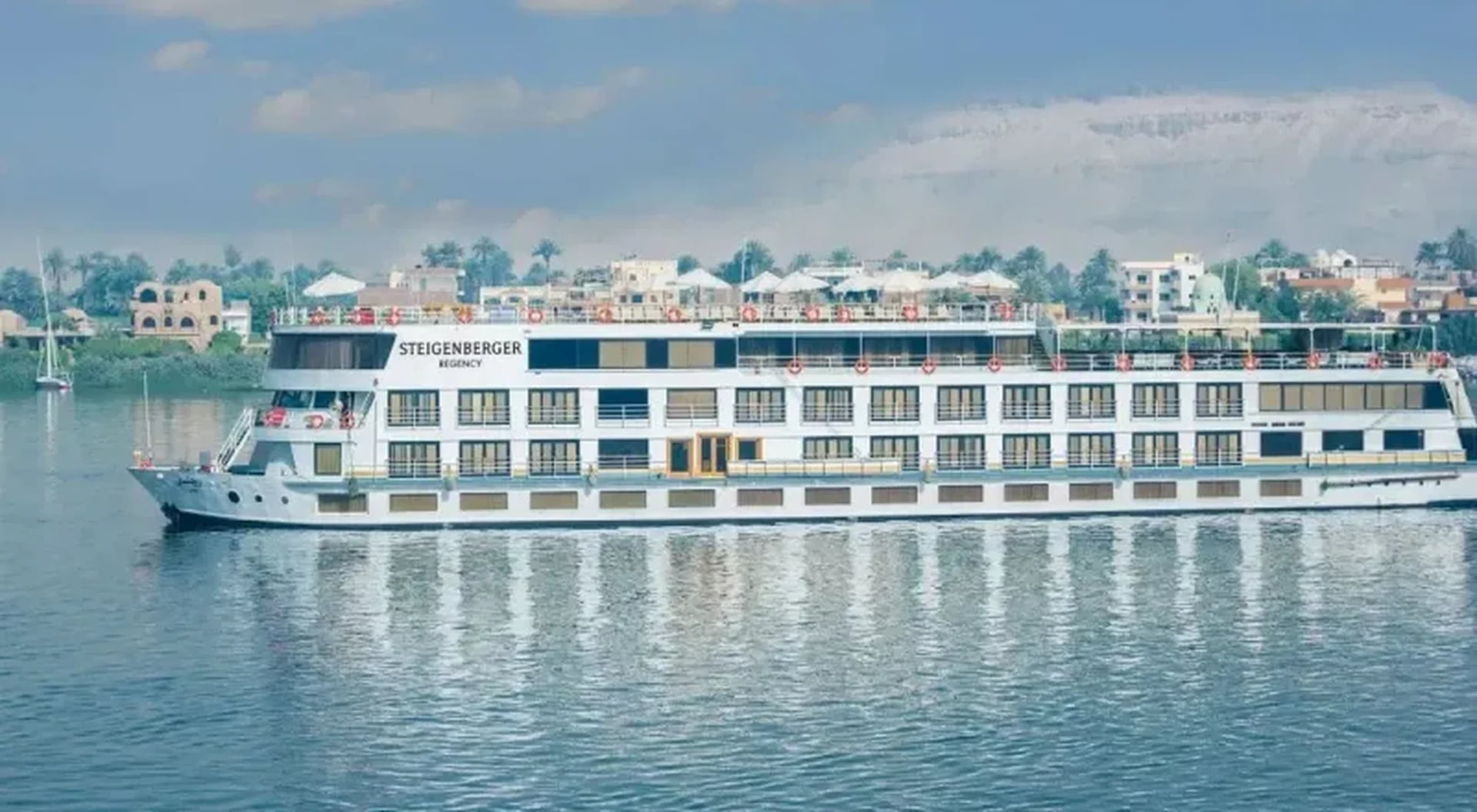

Choosing a Cabin on a Nile Cruise: Deck by Deck
When choosing a cabin on a Nile cruise, your deck selection greatly affects your experience—higher decks usually offer better views and less engine noise, while lower decks can be more budget-friendly. Consider your preferences for scenery, accessibility, and amenities, as well as the specific layout of your chosen vessel, before booking your cabin.
Key Takeaways
- Cabins on higher decks generally provide superior Nile views and quieter environments.
- Lower deck cabins are often more affordable but may experience more noise and limited views.
- Nile cruise ships operate between Luxor and Aswan in Upper Egypt, stopping at major temples.
- Cabin amenities and layouts vary significantly between standard, deluxe, and luxury cruises.
- Booking early increases your chances of securing your preferred deck and cabin type.
Understanding Nile Cruise Ship Layouts
Nile cruise ships are typically designed with three to five passenger decks, each serving different purposes and offering various cabin categories. The lowest deck is closest to the waterline and often houses the most affordable cabins. Middle decks are popular for their balance of accessibility and views, while upper decks generally include premium cabins and public areas such as lounges, sun decks, and sometimes pools. Knowing the general layout helps you make an informed choice when browsing available cabins.
For travelers seeking a deeper dive into the variety of Nile cruise experiences, exploring the range of Nile Cruises available can help clarify which ship design and layout best matches your preferences.
Lower Deck Cabins: Pros and Cons
Lower deck cabins are typically the most economical option on a Nile cruise. These cabins are situated close to the waterline, which can give a unique perspective of the river, but views are often partially obstructed by the dock or passing vessels. The proximity to the engine room may result in increased noise or vibration, especially during sailing hours. However, lower deck cabins can be a smart choice for budget-conscious travelers who plan to spend most of their time exploring onshore or enjoying the ship’s public spaces.
On some ships, lower deck cabins are also closer to the dining room or embarkation points, which can be convenient for guests with mobility concerns. If comfort is a priority, reading about how comfortable Nile cruise cabins are may help set your expectations.
Main and Middle Deck Cabins: The Balanced Choice
Main and middle deck cabins are often considered the sweet spot for many Nile cruise travelers. Positioned above the engine and below the busiest public spaces, these cabins offer a good balance of price, comfort, and scenic views. Noise levels are generally lower than on the bottom deck, and windows or French balconies provide excellent opportunities to watch the Nile’s changing landscape. These decks are also conveniently located for accessing the restaurant, reception, and other common areas without excessive stair or elevator use.
For those deciding between cruise tiers, it’s helpful to understand the real differences between standard, deluxe, and luxury Nile cruises to ensure the chosen cabin aligns with your expectations.
Upper Deck and Sun Deck Cabins: Premium Nile Views
Upper deck cabins are highly sought after for their panoramic views and tranquil atmosphere. These cabins are typically further from the engine and offer less noise, making them ideal for light sleepers. Having a cabin on or near the sun deck allows for quick access to outdoor lounging areas, pools, and bars, making it easy to transition from your private space to communal relaxation. Suites and premium cabins are often located on the upper decks, featuring additional amenities such as larger windows, private balconies, or upgraded furnishings.
For travelers seeking the ultimate in comfort and service, exploring a luxury Nile River cruise can provide an elevated experience with exceptional views and spacious accommodations.
Cabin Amenities and What to Expect
Regardless of deck, Nile cruise cabins typically include private bathrooms, air conditioning, and storage space. Higher-category cabins and suites may offer additional comforts such as bathtubs, sitting areas, or private balconies. Modern ships often provide in-room safes, mini-fridges, and Wi-Fi access, though connectivity can be intermittent along the river. It’s important to check what is included in your specific cabin category, as amenities can vary widely between ships and cruise classes.
For a glimpse into the difference in amenities and services, the Luxury Dahabiya Nile Cruise offers an intimate, boutique-style alternative with personalized service and unique cabin designs.
Noise, Motion, and Accessibility Considerations
Cabin location influences your experience of noise, motion, and accessibility. Lower decks are generally closer to the engine and may experience more vibration, particularly when the ship is underway. Upper decks are quieter but may be less accessible for guests with mobility challenges, especially on vessels without elevators. If you are sensitive to motion, choosing a midship cabin on a middle deck can reduce the sensation of movement. Always check with your cruise provider about elevator access and the number of stairs between decks, especially if you have specific mobility needs.
Views and Scenery: Why Deck Matters
The Nile is famed for its ever-changing scenery, from lush riverbanks to ancient temples. Upper deck cabins provide the best vantage points for uninterrupted views, while lower deck cabins may have limited sightlines due to the ship’s structure or proximity to the waterline. Some cabins feature large panoramic windows or French balconies, enhancing the experience of sailing past iconic landmarks. If waking up to sunrise over the Nile or relaxing with sunset views is a priority, investing in a higher-deck cabin is often worthwhile.
Travelers interested in the broader experience of a cruise through Upper Egypt may want to consider a package like the 8 Day Cairo and Nile Cruise Tour, which combines sightseeing with prime river views from your cabin.
Comparing Cabin Types and Decks: At-a-Glance Table
| Deck | Cabin Type | View | Noise Level | Accessibility | Typical Price Range |
|---|---|---|---|---|---|
| Lower Deck | Standard | Partial or obstructed | Higher (near engine) | Closest to entry/exit | Lowest |
| Main/Middle Deck | Standard/Deluxe | Good, with windows | Moderate | Easy access to amenities | Mid-range |
| Upper Deck | Deluxe/Luxury | Panoramic, best views | Lowest | May require stairs/elevator | Highest |
| Sun Deck | Suites (if available) | Unobstructed, open-air | Very low | Stairs/elevator needed | Premium |
Booking Strategies: Securing Your Ideal Cabin
To secure your preferred cabin, book your Nile cruise as early as possible, especially during peak travel seasons. Communicate your deck and cabin preferences clearly at the time of reservation. Some cruise lines allow you to select a specific cabin, while others assign cabins based on availability and category. If your heart is set on a particular deck or view, confirm your selection in writing. Flexibility with travel dates and ship choice can also help you access better cabins or rates. For those with a set itinerary in mind, looking into short Nile cruises (3–4 nights) may offer more immediate availability and a chance to experience different cabin types.
Seasonality and Cabin Choice
The timing of your Nile cruise can influence both cabin availability and your onboard experience. Peak season, typically from October to April, sees higher demand for upper deck cabins due to the pleasant weather and optimal sightseeing conditions. During the hotter summer months, lower deck cabins may stay cooler, but upper decks remain popular for their views and breeze. Booking during shoulder seasons can provide more options and better rates. For advice on timing your journey, consult resources on the best time to take a Nile cruise.
Frequently Asked Questions
-
What is the main difference between cabins on lower and upper decks?
Cabins on upper decks generally offer better Nile views, less engine noise, and easier access to sun decks, while lower deck cabins are more affordable but may have limited views and experience more noise. -
Are Nile cruise cabins suitable for families or groups?
Many Nile cruise ships offer connecting cabins or suites suitable for families and groups. It is important to check with your cruise provider regarding specific configurations and availability. -
How do I choose the best deck for my needs?
Consider your priorities: if views and tranquility are important, opt for an upper deck; if budget or accessibility is key, a lower or main deck cabin may be more suitable. -
Do all cabins have private bathrooms and air conditioning?
Most Nile cruise cabins, regardless of deck, are equipped with private bathrooms and air conditioning. Higher-category cabins may offer additional amenities such as bathtubs or balconies. -
Can I select a specific cabin or deck when booking?
Some cruise lines allow you to choose a specific cabin or deck during booking, while others assign cabins based on category and availability. It is best to confirm your preferences directly with the cruise operator. -
Are there accessibility features for guests with mobility challenges?
Accessibility varies between ships. Some modern Nile cruise vessels have elevators and accessible cabins, but others may require using stairs between decks. Always check accessibility options before booking.